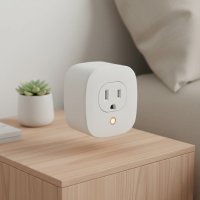
Welcome to the future of your backyard! In a world where you can control your indoor lights and thermostat with a simple voice command, it’s easy to feel like your outdoor space is stuck in the past. Manually plugging and unplugging holiday lights in the snow, or running outside in the rain to turn off the patio fountain, can be a hassle. But what if you could bring that same smart convenience to your garden, patio, and porch? That’s exactly what a waterproof smart plug is for, and it’s a game-changer for any homeowner.
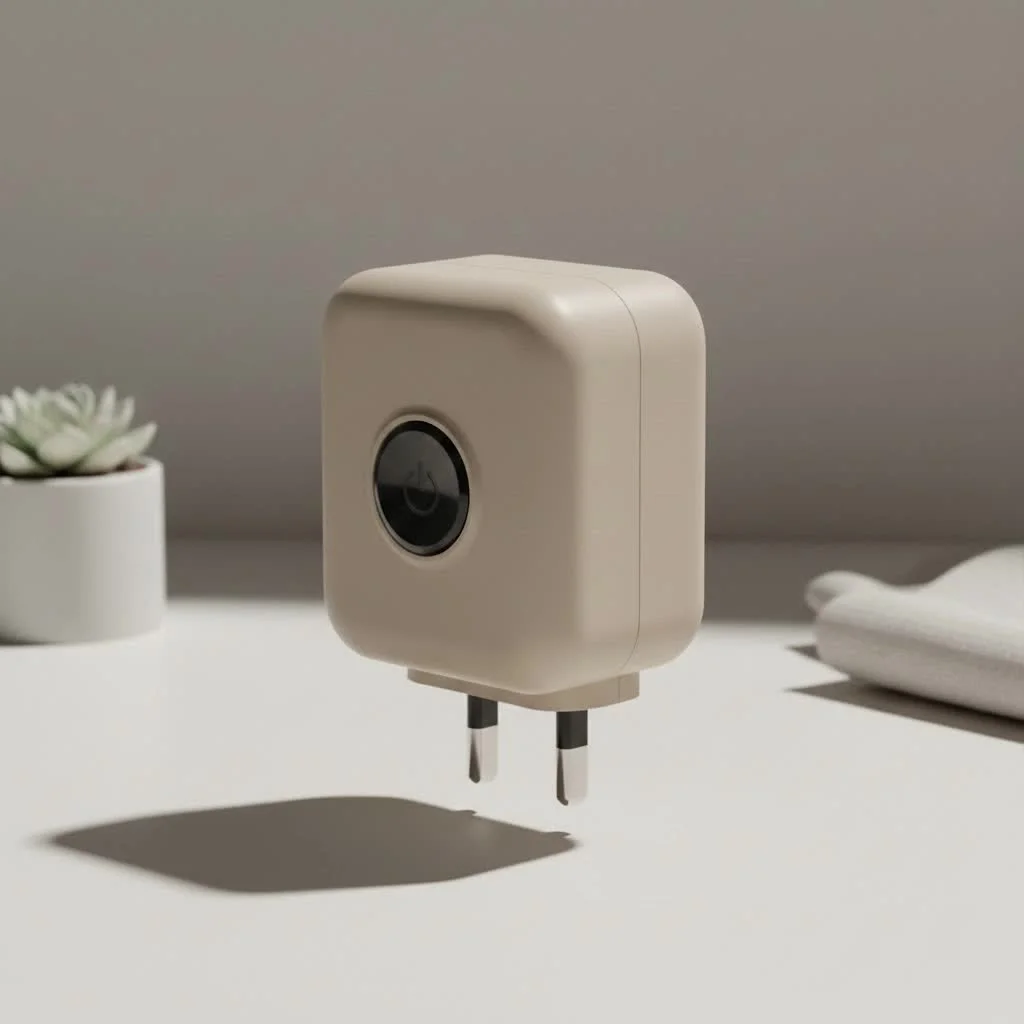
As the lead expert at Kjooz, I’ve spent over a decade helping people automate their homes, and outdoor smart plugs are one of the simplest yet most impactful upgrades you can make. They bridge the gap between your outdoor electronics and your smart home ecosystem, making your life easier, safer, and more energy-efficient. For browse all smart home articles on this site.
What is a Waterproof Smart Plug, Really?
At its core, a waterproof smart plug is a device that fits between your standard outdoor electrical socket and the appliance you want to control. It connects to your home’s Wi-Fi network, allowing you to turn the power on or off remotely using a smartphone app or by issuing commands to a voice assistant like Amazon Alexa or Google Assistant.
But the key feature is its rugged, weather-resistant design. Unlike its indoor cousins, this device is built to withstand the elements, including rain, snow, dust, and humidity, ensuring it operates safely and reliably no matter the weather.
Decoding Weather Resistance: What IP Ratings Mean
When you shop for a waterproof smart plug, you’ll encounter an “IP” rating, which stands for Ingress Protection. This two-digit code is a universal standard that tells you exactly how protected the device is.
- First Digit (Solids): This number (0-6) indicates the level of protection against solid objects, like dust and dirt. A higher number means better protection.
- Second Digit (Liquids): This number (0-8) tells you how well it’s protected from water. This is the crucial number for outdoor use.
For outdoor plugs, you’ll typically see ratings like IP44, which means it’s protected from splashing water from any direction. For areas with more extreme weather, an IP65 rating offers even better protection, as it can withstand low-pressure water jets.
5 Genius Ways a Waterproof Smart Plug Transforms Your Yard
The real magic happens when you realize just how versatile these devices are. They aren’t just for Christmas lights anymore.
- Holiday & Landscape Lighting Automation: This is the classic use case. Set schedules for your holiday decorations, string lights, or landscape spotlights to turn on automatically at sunset and off at sunrise. No more forgetting to unplug them!
- Smarter Garden and Pool Maintenance: Connect your pool filter pump or a garden irrigation system to a smart plug. You can run them on a strict schedule to save energy or turn them on and off from anywhere.
- Enhanced Outdoor Security: Pair your smart plug with outdoor floodlights. While on vacation, you can create a schedule that mimics your presence, turning lights on and off at irregular intervals to deter potential intruders.
- Creating the Perfect Patio Ambiance: Instantly control patio string lights, electric bug zappers, or an outdoor sound system with a simple voice command. You can go from a quiet evening to a party atmosphere without leaving your chair.
- Saving Energy and Money: Many outdoor electronics are “vampire” devices, drawing small amounts of power even when turned off. A smart plug ensures they are completely cut off from power when not in use, helping you trim your electricity bill.
“The biggest mistake people make is underestimating how much control a smart plug gives them over their outdoor environment,” says David Chen, a smart home installation expert. “It’s not just about turning things on and off; it’s about creating automated routines that make your life genuinely easier and your home more efficient.”
How to Choose the Perfect Waterproof Smart Plug
With so many options on the market, picking the right one can feel daunting. Here’s a simple checklist of what to look for:
- IP Weatherproof Rating: As discussed, look for at least an IP44 rating for general use. If the plug will be more exposed to heavy rain or sprinklers, aim for IP65 or higher.
- Number of Outlets: Many outdoor smart plugs come with two outlets that can often be controlled independently from the app. This is like getting two smart plugs in one.
- Wi-Fi Range: Your outdoor plug needs to reliably connect to your home’s router. Check the manufacturer’s specified range (some reach up to 300 feet) and consider where you’ll be placing it. Remember that walls and other obstructions can reduce signal strength.
- App and Voice Assistant Compatibility: Ensure the plug works with your preferred ecosystem, whether it’s Amazon Alexa, Google Assistant, or another platform. Check reviews for the quality and ease of use of the companion app.
- Extra Features: Some premium models offer features like energy monitoring to track power consumption or dimming capabilities for compatible outdoor lights, giving you even more control.
Setting Up Your Outdoor Smart Plug in Minutes
You don’t need to be a tech wizard to get started. The process is incredibly straightforward and usually takes less than five minutes.
- Download the App: Find the manufacturer’s companion app on the iOS App Store or Google Play Store and create an account.
- Plug It In: Connect the waterproof smart plug to your outdoor GFCI (ground-fault circuit interrupter) outlet. Most models have a power button that will begin to flash, indicating it’s in pairing mode.
- Connect to Wi-Fi: Open the app and follow the on-screen instructions to add a new device. You will be prompted to select your 2.4GHz Wi-Fi network and enter the password. Note: Most smart home devices do not support 5GHz networks.
- Name Your Device: Give the plug (and each outlet, if applicable) a descriptive name like “Patio Lights” or “Pool Pump.” This makes it easier to control with voice commands.
- Start Automating: Once connected, you can immediately begin creating schedules, setting timers, and controlling your outdoor appliances from the app.
Frequently Asked Questions (FAQ)
What’s the difference between “waterproof” and “weather-resistant”?
|
Our Picks for the Best Smart Plug in 2026
As an Amazon Associate I earn from qualifying purchases.
|
||
| Num | Product | Action |
|---|---|---|
| 1 | EIGHTREE Smart Plug, Smart Home WiFi Outlet Works with Alexa & Google Home, Smart Socket with Remote Control & Timer Function, 2.4GHz WiFi Only, 4 Packs |

|
| 2 | Kasa Smart Plug Ultra Mini 15A, Smart Home Wi-Fi Outlet Works with Alexa, Google Home & IFTTT, No Hub Required, UL Certified, 2.4G WiFi Only, 2 Count (Pack of 1)(EP10P2) , White |
|
| 3 | Kasa Smart Plug HS103P2, Smart Home Wi-Fi Outlet Works with Alexa, Echo, Google Home & IFTTT, No Hub Required, Remote Control,15 Amp,UL Certified, (Pack of 2) White |
|
| 4 | Linkind Matter Smart Plug, Work with Apple Home, Siri, Alexa, Google, SmartThings, Smart Home Smart Outlet Timer 15A/1800W, APP Remote Control & Schedule, ETL & FCC Certified, 2.4G Wi-Fi Only, 4 Pack |
|
| 5 | Kasa Smart Plug HS103P4, Smart Home Wi-Fi Outlet Works with Alexa, Echo, Google Home & IFTTT, No Hub Required, Remote Control, 15 Amp, UL Certified, 4-Pack, White |
|
| 6 | Legrand Radiant® Wi-Fi Matter Smart Plug Matter Hub Required 15A, Easy Setup, Enhanced Compatibility with Apple HomeKit, Google Home, Alexa & SmartThings, Easy Wi-Fi Connectivity w/ Matter (1 Pack) |
|
| 7 | Govee Smart Plug, WiFi Plugs Work with Alexa & Google Assistant, Smart Outlet with Timer & Group Controller, WiFi Outlet for Home, No Hub Required, ETL & FCC Certified, 2.4G WiFi Only, 4 Pack |
|
| 8 | EIGHTREE Smart Plug 2025 Upgrade to 15A, Bluetooth & Wi-Fi Outlet Plug Dual Connection, Voice Control, Remote Control Outlet Timer Indoor, Smart Plugs That Work with Alexa & Google, 2.4GHz Wi-Fi Only |
|
| 9 | Kasa Smart Plug Mini 15A, Apple HomeKit Supported, Smart Outlet Works with Siri, Alexa & Google Home, UL Certified, App Control, Scheduling, Timer, 2.4G WiFi Only, 4 Count (Pack of 1) (EP25P4), White |
|
| 10 | GHome Smart Plug, WiFi Smart Plugs Work with Alexa and Google Home, Smart Outlet Timer with APP Remote Control, 2.4GHz Wi-Fi Only, No Hub Required, ETL FCC Listed |
|
These terms are often used interchangeably, but “weather-resistant” is more accurate. It means the device can handle typical outdoor conditions like rain and dust but should not be fully submerged in water.
Can I plug an extension cord into a waterproof smart plug?
Yes, you can plug an outdoor-rated extension cord into the smart plug. However, always ensure the connection point is protected from direct water exposure and that you do not exceed the plug’s maximum power rating.
Do they work with 5GHz Wi-Fi?
Almost all smart plugs, including outdoor models, operate exclusively on the 2.4GHz Wi-Fi band. This frequency offers a longer range than 5GHz, which is better for reaching devices outside the home.
How far away from my house will it work?
This depends on the strength of your Wi-Fi signal and the plug’s antenna. A good outdoor smart plug can work reliably up to 80 feet or more from your router, with some long-range models claiming up to 300 feet in an open area.
Can I control each outlet on a dual-outlet plug separately?
Most dual-outlet models allow for individual control of each socket through the app. This is a key feature to look for, as it provides maximum flexibility.
The Final Verdict: A Small Upgrade with a Big Impact
A waterproof smart plug is one of the most affordable and practical entry points into smart home technology for your outdoor spaces. It offers an incredible blend of convenience, security, and efficiency that fundamentally changes how you interact with your yard. Whether you’re a tech enthusiast looking to automate everything or just someone who is tired of fumbling with plugs in the dark, this simple device is a must-have. So go ahead, upgrade your outdoors and let your smart home extend beyond your four walls.
Smart home that does not lock you in
Free PDF — protocol compatibility matrix for 30 hubs and devices.