The iHome smart plug is a reliable and universally compatible smart home device that transforms ordinary appliances into smart ones, allowing remote control, scheduling, and voice commands. It stands out for its broad support across Apple HomeKit, Amazon Alexa, and Google Assistant, making it a flexible choice for diverse smart home ecosystems. This device is particularly well-suited for beginners due to its straightforward setup and dependable performance for basic automation tasks.
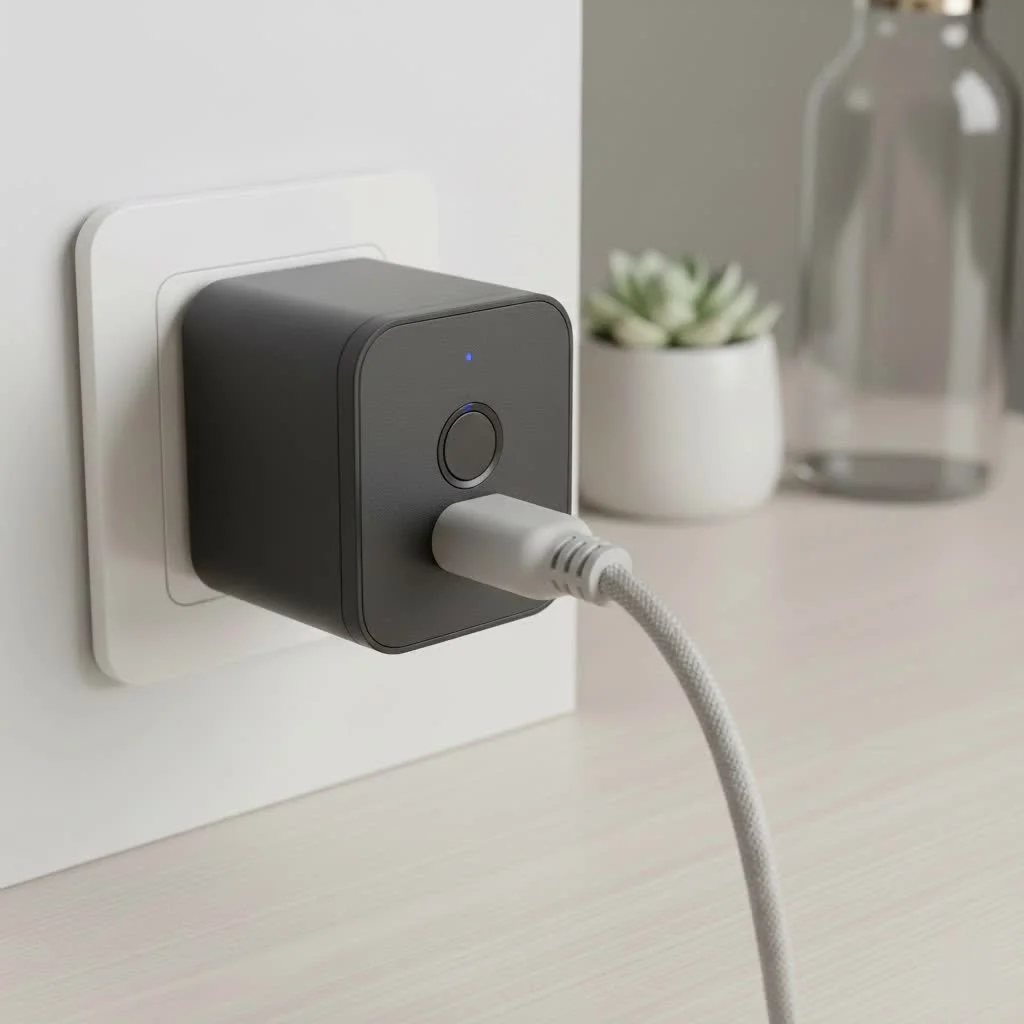 smart plug in a wall outlet” style=”margin: 20px auto;width: 800px;max-width: 100%;height: auto” />
At Kjooz, we believe in making technology accessible. A smart plug acts as a bridge between your wall outlet and your device’s power cord (like a lamp, fan, or coffee maker). Once connected to your home’s Wi-Fi, it allows you to control that device remotely using an app on your phone or even just your voice. It’s a simple concept with powerful implications for convenience, energy savings, and peace of mind. For complete smart home library on this site.
What Makes the iHome Smart Plug Stand Out?
While many smart plugs perform the same basic function, iHome has historically carved out a niche with its broad compatibility. A key selling point for many of their models, like the popular iSP6X, has been its support for all major smart home ecosystems: Apple HomeKit, Amazon Alexa, and Google Assistant. This “play-well-with-everyone” approach is a significant advantage, as you aren’t locked into a single system if you decide to switch your smart speaker or phone later on.
“The true value of a smart device isn’t just its own features, but how seamlessly it integrates into the user’s existing digital life. iHome’s focus on universal compatibility was a forward-thinking move that many brands are still catching up to.” – David Chen, Smart Home Integration Specialist
Beyond compatibility, these plugs are known for their straightforward design and reliable performance for basic tasks like scheduling and remote on/off control.
Key Features Explored
Let’s break down exactly what you can do with an iHome smart plug and why these features matter for your daily routine.
Universal Smart Assistant Compatibility
This is the headline feature. Whether you’re an Apple household running on HomeKit and Siri, an Android user with Google Assistant, or have an Echo dot in every room for Alexa, the iHome plug is designed to work. This eliminates the headache of checking compatibility lists and ensures a smoother setup process regardless of your preferred platform.
Scheduling and Timers
This is where the magic of automation truly begins. You can set schedules for your devices to turn on and off at specific times.
- Morning Routine: Have your coffee maker start brewing five minutes before your alarm goes off.
- Security: Schedule lamps to turn on and off in the evening when you’re on vacation to make it look like someone is home.
- Energy Savings: Ensure power-hungry devices or chargers are turned off completely during the night or while you’re at work.
Remote Control From Anywhere
|
Our Picks for the Best Smart Plug in 2026
As an Amazon Associate I earn from qualifying purchases.
|
||
| Num | Product | Action |
|---|---|---|
| 1 | Kasa Smart Plug Ultra Mini 15A, Smart Home Wi-Fi Outlet Works with Alexa, Google Home & IFTTT, No Hub Required, UL Certified, 2.4G WiFi Only, 2 Count (Pack of 1)(EP10P2) , White |

|
| 2 | GHome Smart Plug, WiFi Smart Plugs Work with Alexa and Google Home, Smart Outlet Timer with APP Remote Control, 2.4GHz Wi-Fi Only, No Hub Required, ETL FCC Listed |
|
| 3 | Linkind Matter Smart Plug, Work with Apple Home, Siri, Alexa, Google, SmartThings, Smart Home Smart Outlet Timer 15A/1800W, APP Remote Control & Schedule, ETL & FCC Certified, 2.4G Wi-Fi Only, 4 Pack |
|
| 4 | Govee Smart Plug, WiFi Plugs Work with Alexa & Google Assistant, Smart Outlet with Timer & Group Controller, WiFi Outlet for Home, No Hub Required, ETL & FCC Certified, 2.4G WiFi Only, 4 Pack |
|
| 5 | Kasa Smart Plug Mini 15A, Apple HomeKit Supported, Smart Outlet Works with Siri, Alexa & Google Home, UL Certified, App Control, Scheduling, Timer, 2.4G WiFi Only, 4 Count (Pack of 1) (EP25P4), White |
|
| 6 | Kasa Smart Plug HS103P2, Smart Home Wi-Fi Outlet Works with Alexa, Echo, Google Home & IFTTT, No Hub Required, Remote Control,15 Amp,UL Certified, (Pack of 2) White |
|
| 7 | Kasa Smart Plug HS103P4, Smart Home Wi-Fi Outlet Works with Alexa, Echo, Google Home & IFTTT, No Hub Required, Remote Control, 15 Amp, UL Certified, 4-Pack, White |
|
| 8 | Legrand Radiant® Wi-Fi Matter Smart Plug Matter Hub Required 15A, Easy Setup, Enhanced Compatibility with Apple HomeKit, Google Home, Alexa & SmartThings, Easy Wi-Fi Connectivity w/ Matter (1 Pack) |
|
| 9 | EIGHTREE Smart Plug, Smart Home WiFi Outlet Works with Alexa & Google Home, Smart Socket with Remote Control & Timer Function, 2.4GHz WiFi Only, 4 Packs |
|
| 10 | EIGHTREE Smart Plug 2025 Upgrade to 15A, Bluetooth & Wi-Fi Outlet Plug Dual Connection, Voice Control, Remote Control Outlet Timer Indoor, Smart Plugs That Work with Alexa & Google, 2.4GHz Wi-Fi Only |
|
Did you leave the fan on after rushing out of the house? With the iHome Control app, you can check the status of your plug and turn it off from anywhere you have an internet connection. This feature provides incredible peace of mind and can be a real energy saver.
Compact and Unobtrusive Design
A practical but often overlooked feature is the physical size of the plug. Many older or cheaper smart plugs are bulky, blocking the second outlet on a standard wall plate. iHome plugs are typically designed to be slim, ensuring you can still use the adjacent socket without any issues.
How to Set Up Your iHome Smart Plug: A Step-by-Step Guide
Getting your iHome smart plug up and running is generally a simple process. Here’s a clear, step-by-step guide to get you connected.
- Download the App: Before you do anything else, go to the Apple App Store or Google Play Store and download the “iHome Control” app. Create an account if prompted.
- Plug It In: Plug the iHome smart plug into the wall outlet you intend to use. The LED light on the plug should start flashing green, indicating it’s in setup mode.
- Connect to Wi-Fi: Open the iHome Control app on your smartphone. Your phone should be connected to your home’s 2.4GHz Wi-Fi network, as most smart plugs (including iHome’s) do not support 5GHz networks.
- Add the Device: In the app, tap the ‘+’ icon to add a new device. The app should automatically detect the new plug. Follow the on-screen instructions.
- HomeKit Setup (for iOS users): If you’re using an iPhone, you will likely be prompted to scan the HomeKit code. This is a small, eight-digit code or QR code located on the side of the plug or in its manual. This securely adds the plug to your Apple Home ecosystem.
- Name Your Device: Give the plug a descriptive name that’s easy to remember and say, such as “Living Room Lamp” or “Bedroom Fan.” This is what you’ll call it when using voice commands.
- Update Firmware: Once connected, the app may prompt you to update the plug’s firmware. It’s crucial to complete this step to ensure you have the latest features and security patches.
After these steps, your plug should be ready to use! You can now control it from the app, set schedules, and connect it to your preferred voice assistant.
Troubleshooting Common iHome Smart Plug Issues
Even the best technology can have its hiccups. If your iHome smart plug isn’t working as expected, here are some common problems and their solutions.
Why won’t my iHome plug connect to Wi-Fi?
This is the most frequent issue. First, confirm you are trying to connect to a 2.4GHz Wi-Fi network, not a 5GHz one. If your router broadcasts both under the same name, you may need to temporarily disable the 5GHz band in your router settings during setup. Also, make sure the plug is close enough to your router to receive a strong signal.
How do I reset my iHome smart plug?
If the plug becomes unresponsive or you’re moving it to a new Wi-Fi network, a factory reset is often the best solution. To do this, press and hold the power button on the side of the plug for about 10-15 seconds. The LED light will start flashing rapidly, then turn to a slow green flash, indicating it has been reset and is back in setup mode.
The plug is “Not Responding” in the Home app.
This is a common issue for HomeKit users. It usually indicates a weak Wi-Fi connection or a network glitch. Try unplugging the smart plug, waiting 10 seconds, and plugging it back in. This simple “power cycle” can often re-establish its connection to your network and solve the problem.
Is the iHome Smart Plug the Right Choice for You?
The iHome smart plug is an excellent choice for anyone, especially beginners, who wants a reliable, no-fuss device with maximum compatibility. If you live in a home with a mix of Apple and Android devices or use multiple voice assistants, its universal support is a huge benefit.
However, if you’re a power user looking for advanced features like real-time energy monitoring or the ability to create complex automation routines within a single app ecosystem (like Kasa or Wyze), you might find the iHome Control app a bit basic. The core strength of the iHome plug lies in its simplicity and its role as a team player in a larger smart home setup.
Frequently Asked Questions (FAQ)
Q: Can I use the iHome smart plug outdoors?A: No, standard iHome smart plugs like the iSP6X are designed for indoor use only. Using them outdoors can be a safety hazard due to moisture and temperature extremes. iHome has offered specific outdoor models in the past, so be sure to purchase one rated for outdoor use if needed.
Q: Does the iHome smart plug work without an internet connection?A: No. The plug requires an active internet connection to be controlled remotely via the app or voice assistants. However, any schedules you’ve pre-set on the device will continue to run even if your internet goes down temporarily.
Q: Can I dim my lights with an iHome smart plug?A: A smart plug cannot dim lights on its own. It functions as a simple on/off switch. To dim lights, you would need a dimmable bulb and a smart dimmer switch or a specialized dimmer plug.
Q: How much electricity does the smart plug itself use?A: The smart plug consumes a very small amount of power to stay connected to Wi-Fi, typically less than 1 watt. This is negligible compared to the energy savings you can achieve by using it to turn off larger appliances.
Q: Is the iHome brand still making new smart plugs?A: In recent years, iHome’s parent company has shifted focus, and new models of iHome smart plugs have become less common. While existing models are still widely used and supported, it’s something to consider when comparing against brands that are actively releasing new products and features.
Final Thoughts
The iHome smart plug remains a solid and dependable entry point into the world of home automation. Its greatest strength is its universal compatibility, making it a flexible choice for almost any smart home ecosystem. While it may not have the most feature-rich app or advanced energy monitoring of some competitors, it excels at its core job: making your devices smart, schedulable, and voice-controlled. For turning that old floor lamp into a modern convenience or ensuring your holiday lights turn on and off automatically, the iHome smart plug is a proven and user-friendly solution.
Frequently Asked Questions
Can I use the iHome smart plug outdoors safely?
No, standard iHome smart plugs like the iSP6X are designed exclusively for indoor use. Using them outdoors poses safety risks due to exposure to moisture and extreme temperatures. Always check for models specifically rated for outdoor use if needed.
Does the iHome smart plug function without an internet connection?
No, the iHome smart plug requires an active internet connection for remote control via its app or voice assistants. However, any schedules you have pre-set on the device will continue to operate even if your internet service is temporarily interrupted.
Is it possible to dim lights using an iHome smart plug?
An iHome smart plug functions solely as an on/off switch and cannot dim lights independently. To achieve dimming functionality, you would need a dimmable light bulb combined with a specialized smart dimmer switch or a dedicated dimmer plug.
How much electricity does an iHome smart plug consume?
The iHome smart plug itself consumes a minimal amount of power, typically less than 1 watt, to maintain its Wi-Fi connection. This power usage is negligible when compared to the potential energy savings achieved by using it to automatically turn off larger appliances.
Is the iHome brand still producing new smart plug models?
In recent years, iHome's parent company has shifted its focus, leading to fewer new iHome smart plug models being released. While existing models remain widely used and supported, this is a factor to consider when comparing against brands that actively launch new products and features.
Smart home that does not lock you in
Free PDF — protocol compatibility matrix for 30 hubs and devices.
As a beginner to smart home devices, the iHome smart plug was exactly what I needed. The straightforward setup was a huge relief, and it’s been incredibly dependable for basic automation tasks. I’m using it for my Christmas tree lights and it’s so convenient to set a schedule and not have to worry about plugging and unplugging it every day. Definitely recommend for anyone just starting out.
I’ve been using the iHome smart plug for a few weeks now and it’s fantastic. The setup was super easy, literally took me five minutes to get it connected to my Google Assistant. I love being able to turn my bedroom lamp on and off with just my voice, especially when my hands are full. It’s made my mornings so much smoother.
I got this iHome smart plug mainly for my coffee maker so I could have coffee ready when I wake up. It does the job, and the remote control feature is handy. However, I found the initial Wi-Fi connection a bit finicky; it took a few tries to get it to recognize my network. Once it was set up, it’s been stable, but that first hurdle was a bit annoying.
This iHome smart plug is pretty solid. I appreciate that it works with Apple HomeKit, which was a big selling point for me since I’m all in on the Apple ecosystem. I’ve got it controlling my fan in the living room and the scheduling feature is great for saving energy. My only minor gripe is that the app can be a little slow to load sometimes, but once it’s up, it works fine.